
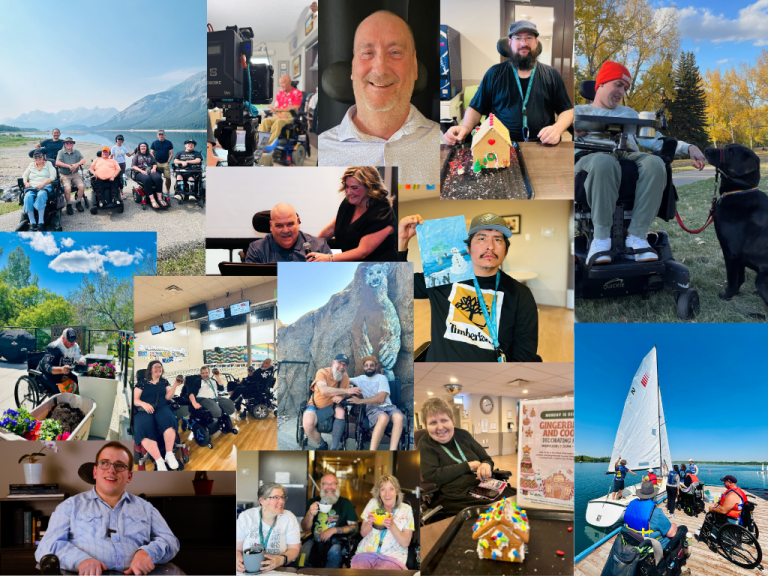
International Day of Persons with Disabilities: Building a Barrier-Free Alberta for All
December 3rd marks the United Nations’ annual recognition of International Day of Persons with Disabilities, a global observance that began in 1992. Its purpose is to promote understanding of disability issues, advance disability rights, and champion equality, autonomy, and full participation for persons with disabilities. This year’s theme focuses on how disability-inclusive societies can advance social progress—not only for people with disabilities, but for entire communities.
Our work is grounded in this vision. Every day, we strive to eliminate barriers and open doors to safe, appropriate, affordable, and accessible housing. When people with disabilities have a secure place to call home, they can focus less on survival and more on their goals, aspirations, and participation in community life, however they choose to define it.
Alberta: A Province Without Accessibility Standards in Housing
While Canada has made strides in advancing disability rights, Alberta currently has no provincial accessibility legislation, meaning there is no standardized policy or regulatory framework guiding accessibility across housing, infrastructure, or community spaces.
This gap leaves Albertans with disabilities dependent on inconsistent standards, voluntary measures, and individual goodwill. Without formal accessibility requirements, too many people face preventable barriers that limit independence, opportunity, and quality of life.
As a province, we have an opportunity—and a responsibility—to change this. Strong accessibility policy benefits not only those living with disabilities today, but also the many who will face disability at some point in their lifetime.
Why Disability Inclusion Matters to Everyone
Disability is far more common than most realize. One in five Canadians currently lives with a disability, and most of us will experience disability, whether temporary, age-related, chronic, or permanent, at some point in our lives. Accessible communities aren’t a “special interest”; they are essential infrastructure for a society where everyone can live, work, age, and belong with dignity.
When accessibility is built into housing from the start, not added as an afterthought, people can age in place, avoid homelessness linked to changing mobility needs, and maintain independence far longer. Designing for inclusion helps us build communities that are safer, healthier, and more equitable for all.
Looking Ahead: Building a More Accessible Future Together
As we work alongside rights holders, policymakers, community partners, and home-building associations, our mission remains clear: to create a barrier-free Alberta where accessibility is the standard, not the exception.
Accessibility must be embedded into both policy and practice, ensuring that the 8 million Canadians living with disabilities have the right to appropriate housing that meets their needs throughout their lives.
With the upcoming implementation of the Build Canada Homes agency, funded by the Government of Canada, we urge leaders at all levels to place accessibility at the heart of future housing development. This is a historic opportunity to move beyond minimum standards and instead create truly inclusive housing options that allow people to thrive.
Sources