
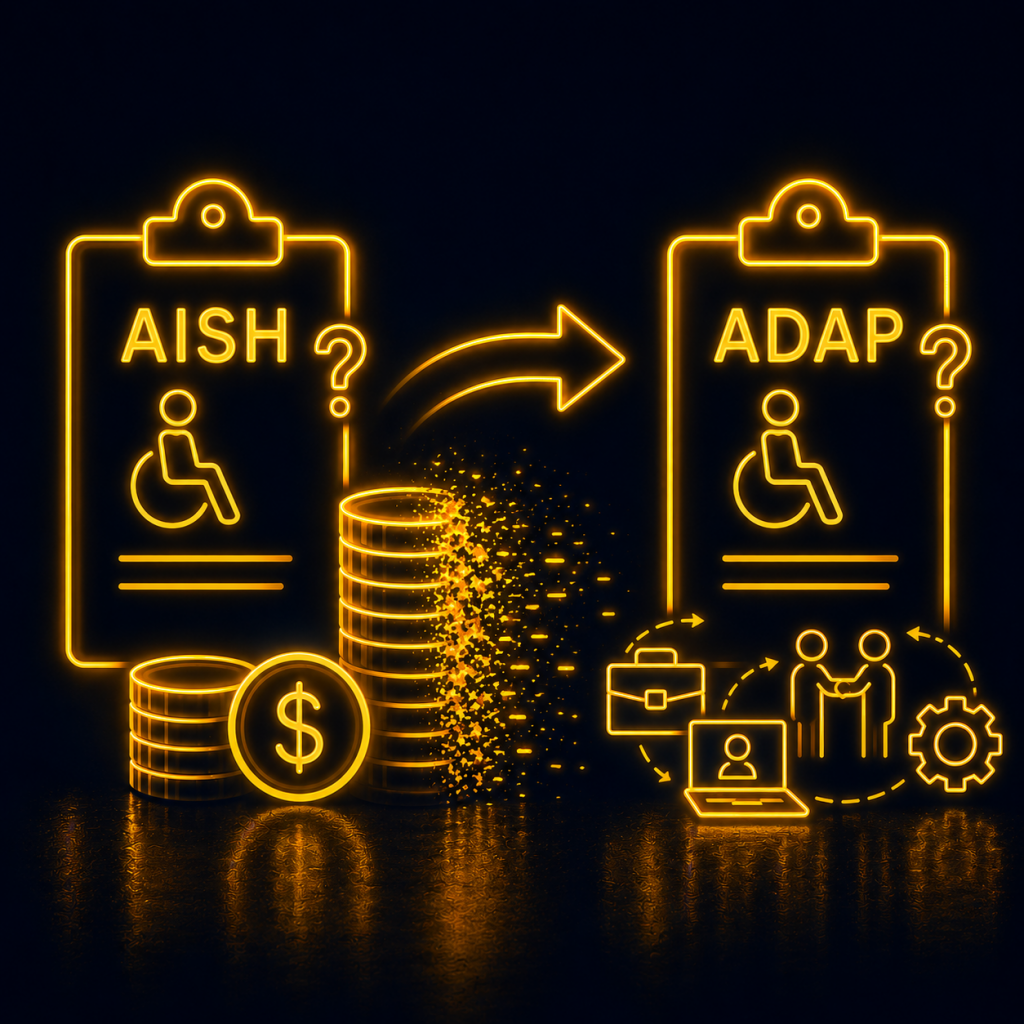
What Alberta’s Transition from AISH to ADAP Could Mean for Albertans with Disabilities
For many Albertans with disabilities, housing is about far more than having a roof overhead.
It is about safety, independence, stability, and the ability to fully participate in community
life.
That is why Alberta’s transition from AISH to the new Alberta Disability Assistance Program
(ADAP) is creating important conversations across the province, especially around housing
accessibility and affordability.
Beginning in July 2026, the most current Assured Income for the Severely Handicapped
(AISH) recipients are expected to transition into ADAP. The Alberta government says the
new program is intended to better support employment participation while continuing to
provide disability-related financial and health supports.
While some Albertans will remain on AISH due to specific exemption categories, ADAP is
expected to become the primary disability assistance program for many people with
disabilities across Alberta.
As details continue to emerge, many Albertans are asking an important question: What
could this transition mean for housing stability and access to accessible housing?
Why Housing Is Part of This Conversation:
Accessible housing and disability income support are deeply connected. For many individuals, stable housing depends not only on paying rent or a mortgage and daily costs of living, but also on managing additional disability-related costs such as:
• accessibility renovations
• assistive technology
• medical equipment
• transportation
• home support services
• higher utility costs
Even relatively small changes in monthly income can affect whether someone can remain
in safe, accessible housing.
This comes at a time when many Albertans are already facing rising housing costs and
limited availability of accessible housing options. Accessible units are often difficult to
find, and waitlists for affordable or supportive housing can already be long in many
communities.
What Is Changing Under ADAP?
According to the Alberta government, ADAP is intended to create more flexibility for
individuals who may be able to work while still requiring disability supports. The program
includes employment-focused supports and income exemptions that allow recipients to
earn employment income without immediately losing benefits.
Current AISH recipients transitioning to ADAP are also expected to receive temporary
financial protections through the end of 2027 to maintain existing payment levels during
the transition period.
At the same time, disability organizations and advocates have raised concerns about what
happens after that transition period ends. Some have questioned whether future recipients
could experience reduced financial support compared to AISH, particularly for individuals
unable to maintain stable employment due to ongoing health or accessibility barriers.
For many Albertans with disabilities, uncertainty itself can create stress, especially when
housing affordability is already a concern.
The Impact on Accessible Housing
Accessible housing is already in short supply across Alberta, and financial stability often
determines whether someone can continue living independently.
Even modest income changes can affect:
• the ability to afford rent
• access to accessibility modifications
• proximity to healthcare or transit
• the ability to remain in an existing home or fully participate in their community
For some individuals, stronger employment supports under ADAP could improve long-term
financial stability and create greater housing flexibility.
However, employment outcomes can vary significantly depending on factors such as
workplace accessibility, transportation access, health conditions, and availability of
community supports. Many disability organizations continue to emphasize that
employment initiatives work best when paired with predictable and adequate financial
supports.
Looking Ahead
The full impact of Alberta’s transition from AISH to ADAP will likely become clearer over
time.
Some Albertans may benefit from increased employment flexibility and continued health
supports. Others remain concerned about affordability, reassessment processes, and
long-term housing stability.
What remains clear is that accessible housing cannot be separated from conversations
about disability inclusion and financial security. Stable housing is often the foundation that
allows people to maintain health, independence, employment, and community
connection.
As Alberta moves forward with implementing ADAP, ongoing dialogue between
government, disability organizations, housing providers, and people with lived experience
will be essential to ensuring accessibility and housing stability remain priorities for all
Albertans.
The policies we design today shape the progress of accessibility of tomorrow.
Accessibility is more than you think. And something you should think more about.